The shared enthusiasm
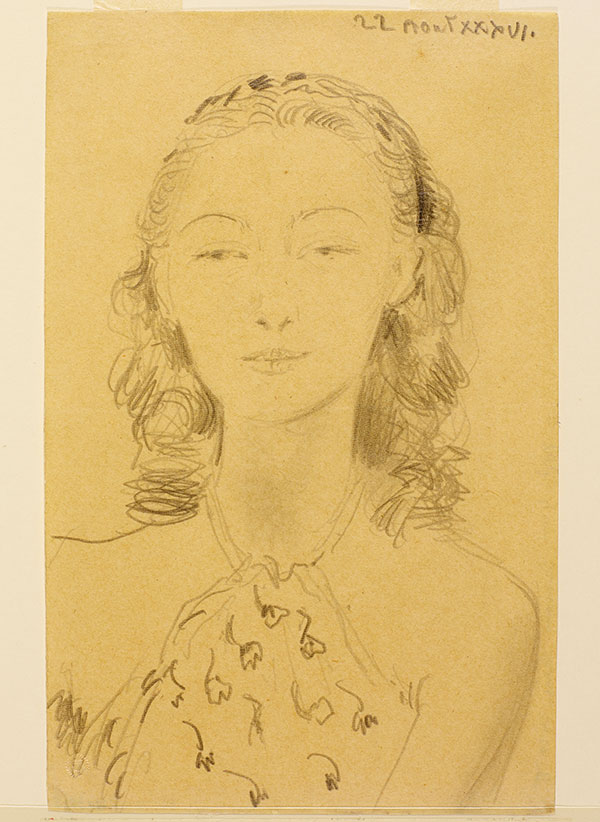
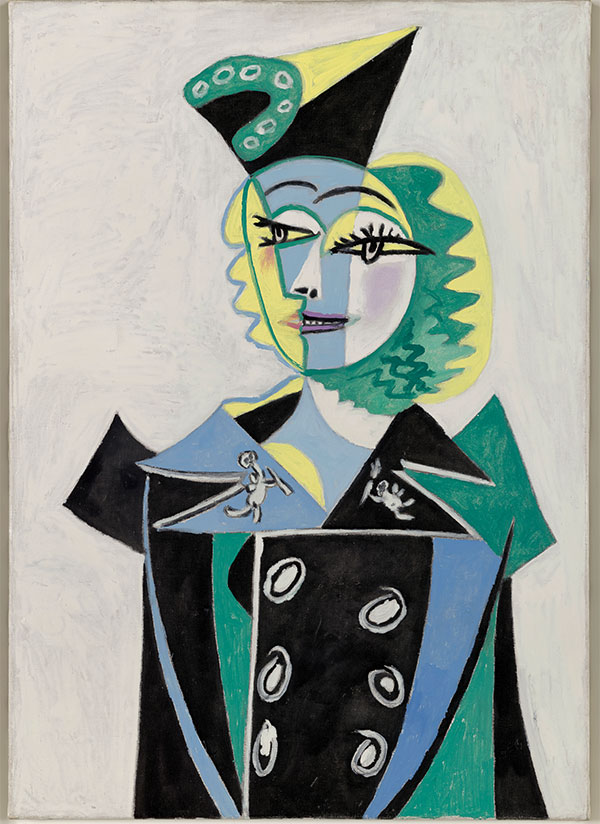
When he returned in March, Eluard started preparing to publish a collection of poems, and it was only natural that he would ask Picasso to illustrate it, as the artist had just painted a portrait of Nusch, of whom he was very fond. The poet could not have been more shocked when Picasso disappeared without uttering a word nor delivering the much-awaited etchings. At the time, Picasso was at a particularly difficult moment in his private life after his separation from Olga. He stopped painting, but wrote many poems. He didn't want to be seen with his new love, Marie-Thérèse, and their child, Maya. The simplest solution was to leave. When he resurfaced in May 1936, Eluard dedicated a poem to him, delighted about his return:
"Good day I saw again the one I never forget [...]
Good day that began melancholy
Black beneath the green trees
But that suddenly soaked in dawn
Entered my heart by surprise [...]
In that month of May 1936, the two men corresponded, keeping in touch with words and drawings. Eluard wrote extensively about Picasso's work and dedicated a number of poems to him from that date on. It was also around then that Picasso took up painting and drawing again with a yearning for perfection that revealed his renewed enthusiasm. In fact, this "resurrection" has often been attributed to Eluard.
The year 1936 also marked the beginning of the Spanish Civil War, which had a profound impact on Picasso. He travelled the South of France, where Paul Eluard joined him. When they arrived, Dora Maar was with the painter. They had met through Eluard, who had introduced them at the Café les Deux Magots in Paris, sparking a passionate and fruitful relationship that lasted eight years until their breakup shortly before 1945.
3 / 8



 Summary